Yamaha Viking Model Years Explained
Table of Contents
- Quick Answer: Yamaha Viking Model Years at a Glance (AI Overview)
- A Short History of the Yamaha Viking UTV
- Yamaha Viking Model Years Year by Year
- Viking vs. Viking VI: Which Seating Layout Fits You?
- Understanding Trims: EPS, SE, Ranch Edition, and Hunter
- Model Year Comparison Table
- Which Yamaha Viking Model Year Is Best to Buy Used?
- How to Check a Used Yamaha Viking Before You Buy
- Tips for Reading Listings and Decoding Model Years
- Frequently Asked Questions
- Final Thoughts and Next Steps
Quick Answer: Yamaha Viking Model Years Explained
If you only have thirty seconds, here is the short version of Yamaha Viking model years.
What are the Yamaha Viking model years?
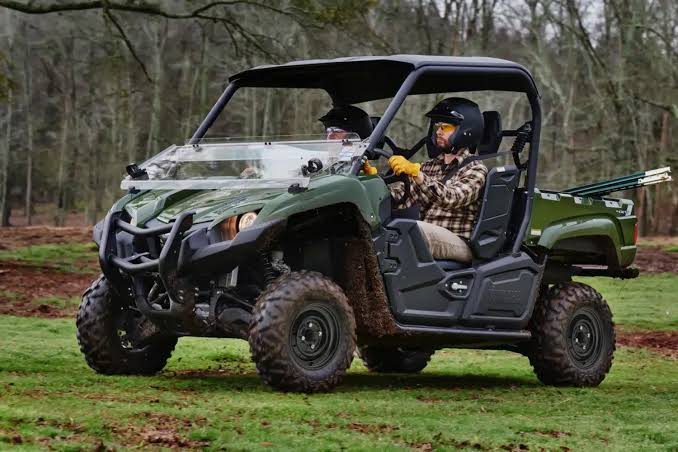
The Yamaha Viking has been sold in the United States since the 2014 model year as a three-seat utility side-by-side. The six-seat Yamaha Viking VI arrived for 2015. Since then the Viking has stayed remarkably consistent, with a 686cc single-cylinder engine, a dump bed, and a 1,500-pound towing rating. Most changes have been incremental: a quieter cabin and reinforced chassis for 2016, new colors and editions in the years after, and standard electric power steering on newer models.
Which Yamaha Viking year is best to buy used?
For most buyers, a 2016 or newer Viking EPS offers the best balance of price and refinement. Those years picked up the quieter cabin, stronger chassis, and better latches. If you want the least effort and the most comfort, a late-model Ranch Edition is hard to beat.
Is the Yamaha Viking a reliable UTV?
Yes, the Viking has a reputation as a durable, no-nonsense work machine. As with any used UTV, condition and maintenance history matter more than the model year alone.
Looking right now? Browse our current inventory of Yamaha Viking UTVs for sale and compare model years side by side.
A Short History of the Yamaha Viking UTV
Yamaha built its side-by-side reputation on the Rhino, then took a different direction with the Viking. Instead of chasing speed or trail performance, the Viking was designed around people who actually use their machines: ranchers, farmers, hunters, landowners, and anyone with a long to-do list and a lot of ground to cover.
The pitch was simple. Give people a three-across bench seat, a roomy cab with a real floor, a tilting cargo bed, and a torquey 700-class engine with a smooth automatic transmission. Then keep it affordable.
Why the Viking Name Stuck
The Viking earned a loyal following because it is easy to live with. Entry and exit are simple, the seats are comfortable on long days, and the controls are intuitive. Ask a longtime owner what they like most and you will often hear the same word: dependable.
The Engine Behind the Lineup
Throughout its run, the Viking has used a 686cc single-cylinder engine paired with a continuously variable transmission (CVT). It is not a speed demon, but it is built for torque, towing, and steady work. That consistency is great news for used buyers, because parts and service knowledge are widely available across model years.
Yamaha Viking Model Years Year by Year
Below is a practical walkthrough of how the Viking evolved. Exact options and colors can vary by dealer and region, so always confirm the details on the specific unit you are considering.
2014: The Launch Year
The original Yamaha Viking debuted for the 2014 model year as a three-person utility side-by-side. It established the formula that continues today: a 686cc engine, a bench seat that holds three, a dump bed, and a 1,500-pound towing capacity.
What to Know About a 2014 Viking
A 2014 model is the most affordable way into the lineup, and many are still working hard on farms and ranches. Expect fewer comfort features than newer years, and inspect wear items carefully since these units have the most hours on average.
2015: The Viking VI Arrives
For 2015, Yamaha expanded the family with the Viking VI, a six-seat version with a longer wheelbase. This was a big moment for the model line because it opened the door to crews, families, and hunting parties who needed to carry more people without buying a second machine.
Why the Viking VI Mattered
The Viking VI offered two rows of seating and three-point seatbelts for every passenger, which gave it a real advantage on job sites and in the field. The Special Edition (SE) trim also appeared in this period.
2016: A Meaningful Refresh
The 2016 model year is widely considered the first big upgrade. Yamaha reported a smoother, quieter cabin, additional rider conveniences, and a reinforced chassis. Notably, the updates included automotive-style, two-stage door latches and a parking brake warning buzzer.
The First Ranch Edition
2016 also brought the first Viking VI EPS Ranch Edition, with Copper Metallic bodywork, a color-matched brown interior, a soft sun top, a rearview mirror, mud flaps, overfenders, and a front brush guard. It launched at an MSRP of $15,499, and that dressed-up look has remained popular ever since.
2017 to 2019: Steady Refinement
Between 2017 and 2019, the Viking lineup stayed mostly steady. You will find the base Viking, the Viking EPS, the Viking VI, and the Ranch Edition in various combinations. Special Edition colors appeared in some years.
Why These Years Are Popular Used
These models inherit the 2016 improvements, and they have had enough time to depreciate into friendly price ranges. For many shoppers, this is the sweet spot for value.
2020 to 2021: Updated Looks and Trim Choices
In this stretch, the Viking continued to center on EPS models, with the Ranch Edition returning and the base non-EPS Viking fading into the background. If you are shopping 2020 models, double-check whether the unit has electric power steering, since a few base configurations may not.
What Was Special About 2021
By 2021 the platform was very mature. Pricing crept upward, but so did buyer demand, which means well-kept 2021 units hold their value.
2022: New Colors and Hunter Editions
The 2022 Viking brought fresh colors and standard equipment updates. Yamaha kept the 600-pound bed capacity and 1,500-pound towing capacity the same as the prior year. The base 2022 Viking EPS was priced at $13,899, with Realtree Edge camouflage costing more.
The Hunter and Ranch Editions
The lineup included Viking EPS Hunter, Viking VI EPS Hunter, and Ranch Edition models with Copper Metallic styling. If you hunt, a Hunter edition can save you money on camo you would have paid for anyway.
2023 and 2024: Consistency Wins
The 2023 and 2024 lineups were straightforward: Viking EPS, Viking EPS Ranch Edition, Viking VI EPS, and Viking VI EPS Ranch Edition. Yamaha did not reinvent the formula, and that is exactly what customers wanted.
Quick Specs for Late-Model Vikings
The six-seat models offer a class-leading 115.6-inch wheelbase, three-point seat belts for each passenger, and extensive noise and vibration reduction. Towing stays at 1,500 pounds.
2025 and 2026: The Current Generation
The 2025 lineup carried over the same four-model structure. Published pricing started at $15,799 MSRP for the base Viking and $16,599 for the Viking VI, with Ranch Edition models starting at $16,499 for the three-seat and $17,899 for the six-seat. Dealer listings show the 2026 Viking EPS Ranch Edition continuing the story.
Want to compare used prices against new? Visit our full shop of used utility vehicles to see how a used Viking stacks up against other work-ready machines.
Viking vs. Viking VI: Which Seating Layout Fits You?
One of the biggest decisions has nothing to do with model year. It is choosing between the three-seat Viking and the six-seat Viking VI.
The Three-Seat Viking
The standard Viking is more compact, easier to maneuver on tight trails, and a little easier to store in a barn or trailer. It is a great fit for solo workers, couples, or small households.
Best Uses for the Three-Seat Model
- Daily farm and ranch chores
- Fence line checks and feeding routes
- Hunting with one or two partners
The Six-Seat Viking VI
The Yamaha Viking VI stretches the wheelbase and adds a second bench, making it a go-to for families, work crews, and hunting groups.
Best Uses for the Six-Seat Model
- Hauling a crew to a job site
- Family property tours and events
- Group hunting trips
The Trade-Off
More seats mean a longer vehicle and a wider turning radius. If you primarily ride alone, the extra length may not be worth it.
Understanding Trims: EPS, SE, Ranch Edition, and Hunter
Trim names can be confusing when you are scanning listings. Here is a simple decoder.
EPS (Electric Power Steering)
EPS reduces steering effort, which is a big deal on rough terrain and during long days. If you have a choice, an EPS model is almost always the more comfortable pick.
SE (Special Edition)
SE models typically offer special paint colors and a few visual upgrades. They were common in the mid-2010s and are usually mechanically the same as standard models.
Ranch Edition
The Viking EPS Ranch Edition is the dressed-up version, with Copper Metallic paint, a color-matched interior, a soft top, and extra convenience gear. Because many of those accessories are factory-installed, the value can be strong if you would have added them anyway.
Hunter Edition
Hunter models, seen in the 2022 lineup, add camouflage styling. They are mechanically the same as the standard Viking, so you are paying for looks and a few accessories.
Model Year Comparison Table
| Model Year | Key Highlights | Notable Trims | Best For |
|---|---|---|---|
| 2014 | Launch of the three-seat Viking | Viking, Viking EPS | Budget buyers |
| 2015 | Six-seat Viking VI introduced | Viking VI, SE | Crews and families |
| 2016 | Quieter cabin, reinforced chassis, better latches, first Ranch Edition | Viking EPS, Ranch Edition | Value seekers |
| 2017 to 2019 | Steady refinement, EPS widely available | Viking, EPS, VI, Ranch | Budget with comfort |
| 2020 to 2021 | Mature platform, EPS focus | EPS, Ranch Edition | All-around buyers |
| 2022 | New colors, Hunter editions added | EPS, Hunter, Ranch | Hunters |
| 2023 to 2024 | Consistent four-model lineup | EPS, VI EPS, Ranch | Reliability seekers |
| 2025 to 2026 | Current generation, higher MSRPs | EPS, VI EPS, Ranch | Late-model shoppers |
Trim availability varies by year. Always verify the exact configuration with the seller.
Which Yamaha Viking Model Year Is Best to Buy Used?
There is no single perfect year, but there are smart choices depending on what you value.
Best on a Tight Budget: 2014 to 2015
These early models cost the least. They are great if you want a basic work machine and are comfortable checking for wear. Plan to inspect the belt, bushings, and suspension carefully.
Best Value Overall: 2016 to 2019
This range inherited the 2016 improvements, including the quieter cabin and stronger chassis. Prices have settled, and there are plenty of units to choose from. If you want a used Yamaha Viking for sale that balances age and price, start here.
Best for Comfort and Looks: 2020 to 2024 Ranch Edition
If you want the most polished experience, a newer Viking EPS Ranch Edition delivers a comfortable cab, factory accessories, and lower hours than older machines.
Best for Six Passengers: Any Viking VI EPS
For larger groups, look at the Viking VI EPS from 2016 forward, and verify that the seat belts, seat frames, and second-row hardware are in good condition.
Ready to see what is available? Check out our current selection of used Yamaha Viking models and contact us with any questions.
How to Check a Used Yamaha Viking Before You Buy
A clean listing is a good start, but a hands-on inspection tells the real story.
Start With the Basics
Check the VIN and Paperwork
Match the VIN on the frame to the title. The tenth character of the VIN typically indicates the model year, which helps you confirm that a listing is accurate.
Review Maintenance Records
Look for oil changes, belt replacements, and coolant service. A well-documented machine is usually a well-loved machine.
Inspect the Mechanical Components
Drivetrain and CVT
Listen for belt slip, squealing, or hesitation. Check the clutch housing for glazed or burnt residue.
Suspension and Steering
Look for worn bushings, bent A-arms, torn CV boots, and play in the steering. On EPS models, make sure the steering feels smooth and consistent.
Cooling and Electrical
Check for leaks, hose condition, and fan operation. Test the lights, gauges, and horn.
Evaluate the Body and Bed
Check the dump bed latch and lift. Inspect the roof, seats, and doors for cracks or sun damage, especially on older units.
Take a Test Drive
Drive in 2WD and 4WD, shift through the gears, and test braking. A good Viking should feel stable, quiet for its class, and ready to work.
Need a second opinion on what to look for? Contact the team at Used Utility Vehicles and we will gladly walk you through your options.
Tips for Reading Listings and Decoding Model Years
Sellers do not always label things perfectly. Keep these tips in mind.
Watch for Mixed-Up Model Codes
You may see codes such as YXM700 or YXC700 in parts catalogs and listings. These are factory model designations that help confirm what the machine is. If a listing is vague, ask for the VIN and verify it.
Confirm EPS
Some listings simply say “Yamaha Viking” without noting power steering. Ask directly, or look for the EPS badge and the steering column design.
Do Not Pay Ranch Edition Prices for a Standard Model
If the seller claims it is a Ranch Edition, confirm the Copper Metallic paint, matching interior, and original accessories. Aftermarket paint jobs can make a standard model look like something it is not.
Frequently Asked Questions
What year did the Yamaha Viking come out?
The Yamaha Viking launched for the 2014 model year as a three-seat utility side-by-side.
When was the Yamaha Viking VI introduced?
The six-seat Viking VI joined the lineup for the 2015 model year, giving buyers more passenger capacity.
What changed in the 2016 Yamaha Viking?
The 2016 update added a quieter cabin, reinforced chassis, two-stage door latches, a parking brake warning buzzer, and the first Viking VI EPS Ranch Edition.
What engine does the Yamaha Viking have?
It uses a 686cc single-cylinder engine paired with a CVT automatic transmission, delivering torque for work and towing.
How much can a Yamaha Viking tow?
The Viking is rated to tow 1,500 pounds, and the bed capacity is rated at 600 pounds on recent models.
What is the difference between the Viking and the Viking VI?
The Viking seats three people, while the Viking VI seats six and has a longer wheelbase.
What does EPS mean on a Yamaha Viking?
EPS stands for electric power steering, which makes steering easier, especially on rough terrain.
What is the Ranch Edition?
It is a dressed-up trim with Copper Metallic paint, a color-matched interior, and added convenience features.
Is the Yamaha Viking reliable?
Owners generally describe it as a dependable work machine. Maintenance history and condition matter more than the model year alone.
What is the best year for a used Yamaha Viking?
Most shoppers find the best value in the 2016 to 2019 range, while the 2020 to 2024 years offer more comfort and lower hours.
How can I tell what model year my Viking is?
Check the tenth character of the VIN, and confirm it against the title, the badging, and the trim details.
Where can I find a used Yamaha Viking for sale?
You can browse the current selection of Yamaha Viking UTVs for sale on our website.
Final Thoughts and Next Steps
The story of Yamaha Viking model years is really a story of consistency. From the 2014 launch to the current lineup, Yamaha has stuck with what works: a durable 686cc engine, a roomy cab, a practical bed, and a price that makes sense for working people. The biggest jumps came in 2016 with the quieter cabin and stronger chassis, and the lineup has been refined, not reinvented, ever since.
If you want the best value, focus on 2016 and newer EPS models. If you want comfort and style, look at a Ranch Edition. And if you need to carry a crew, the Viking VI is the clear winner.
Take the Next Step
Ready to find your next work partner? Browse used Yamaha Viking UTVs for sale or explore the full Used Utility Vehicles shop to compare options. Have questions about a specific model year? Reach out to our team and we will help you find the right machine at the right price.