
If you’re looking for a reliable work vehicle without paying the premium price of a brand-new model, How Much Does a Used Utility Vehicle Cost? can be one of the smartest investments. Whether you need a machine for farming, construction, landscaping, hunting, ranch work, or property maintenance, a quality pre-owned utility vehicle (UTV) offers excellent value while delivering dependable performance.
One of the first questions buyers ask is: How much does a used utility vehicle cost?
The answer depends on several factors, including the brand, model, age, engine size, condition, mileage, accessories, and maintenance history. In today’s market, used utility vehicle prices can range anywhere from $3,000 to over $30,000.
In this guide, we’ll break down average prices, explain what affects the value of a used UTV, compare popular brands, and provide expert tips to help you get the best deal.
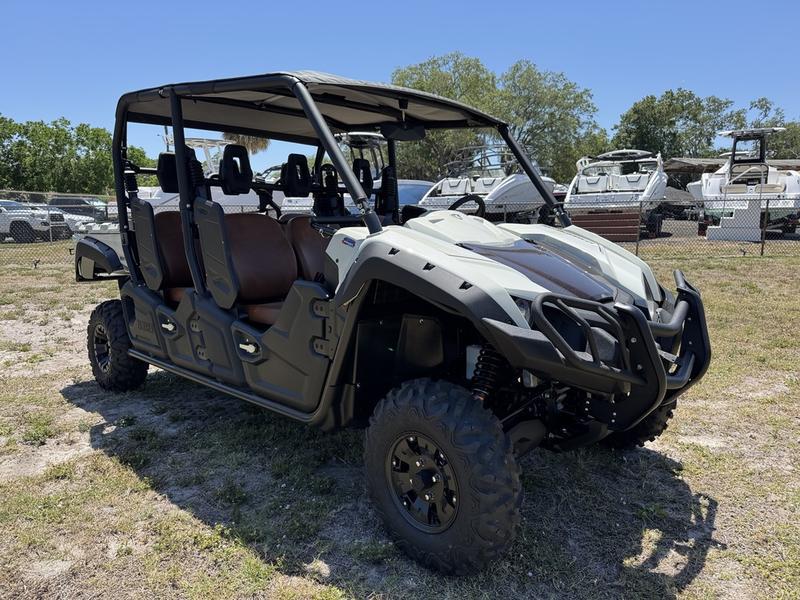
Average Cost of a Used Utility Vehicle
The price of a used utility vehicle varies significantly based on its condition and features.
| Vehicle Condition | Average Price |
|---|---|
| Older entry-level models | $3,000–$6,000 |
| Good used utility vehicles | $6,000–$12,000 |
| Premium used UTVs | $12,000–$20,000 |
| Nearly new models with accessories | $20,000–$30,000+ |
Machines that include enclosed cabs, heaters, air conditioning, winches, snow plows, cargo systems, or upgraded suspension typically command higher prices.
What Affects the Price of a Used Utility Vehicle?
Several factors determine how much you’ll pay.
1. Brand Reputation
Some manufacturers hold their value better than others because of reliability and strong resale demand.
Popular brands include:
- Kubota
- John Deere
- Polaris
- Can-Am
- Yamaha
- Honda
- Kawasaki
- CFMOTO
- Bobcat
- Club Car
Brands known for durability generally have higher resale prices.
2. Vehicle Age
Newer utility vehicles typically cost more because they have lower wear and often include updated technology.
For example:
- 1–3 years old: Highest resale value
- 4–7 years old: Excellent balance of value and price
- 8–15 years old: Lower purchase price but may require additional maintenance
3. Hours or Mileage
Unlike cars, many utility vehicles are evaluated using engine hours.
General guideline:
- Under 500 hours: Excellent
- 500–1,500 hours: Normal
- Over 2,000 hours: Inspect carefully
Low-hour machines usually cost considerably more.
4. Engine Size
Larger engines generally increase value.
Common engine sizes include:
- 400cc
- 500cc
- 700cc
- 800cc
- 900cc
- 1000cc+
High-performance recreational utility vehicles often cost more than work-focused models.
5. Condition
Condition has one of the biggest impacts on pricing.
Buyers should inspect:
- Engine performance
- Transmission
- Suspension
- Steering
- Brakes
- Tires
- Differential
- Frame
- Electrical system
- Cooling system
A well-maintained machine is worth paying extra for.
6. Accessories
Accessories can significantly increase resale value.
Popular upgrades include:
- Hard cab
- Soft cab
- Heater
- Air conditioning
- Winch
- LED lighting
- Roof
- Windshield
- Snow plow
- Rear cargo box
- Tool racks
- Lift kit
- Tracks
- Stereo system
Some fully equipped utility vehicles include thousands of dollars in aftermarket accessories.
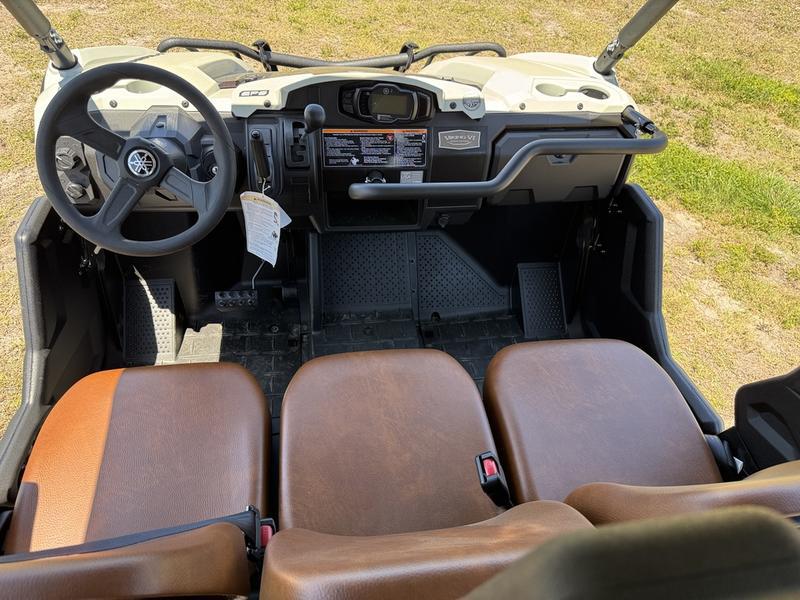
Average Used Utility Vehicle Prices by Brand
Kubota Utility Vehicles
Kubota RTV models are among the most durable diesel utility vehicles available.
Typical prices:
- Older RTV500: $5,000–$8,000
- RTV-X900: $10,000–$18,000
- RTV-X1100C Cab: $15,000–$28,000
Kubota models hold value exceptionally well because of their reliability.
Polaris Ranger
Polaris Ranger models remain some of the most popular utility vehicles in North America.
Typical prices:
- Ranger 570: $5,500–$10,000
- Ranger XP 1000: $10,000–$22,000
- Ranger Crew: $12,000–$25,000
John Deere Gator
John Deere Gators are widely used on farms and commercial properties.
Average pricing:
- Older Gators: $4,000–$8,000
- Mid-range models: $8,000–$15,000
- XUV models: $15,000–$24,000
Yamaha Wolverine
Yamaha utility vehicles are known for dependable engines and excellent off-road capability.
Used prices typically range from:
- $7,000–$18,000
Honda Pioneer
Honda’s reputation for reliability helps maintain strong resale values.
Typical used prices:
- $7,500–$19,000
Can-Am Defender
Can-Am Defender models continue to gain popularity.
Average prices:
- $10,000–$24,000
Diesel vs Gas Utility Vehicles
Diesel utility vehicles often cost more than gasoline models because of their longevity and fuel efficiency.
Diesel Advantages
- Longer engine life
- Better fuel economy
- Higher torque
- Excellent for work applications
Gas Advantages
- Lower purchase price
- Faster acceleration
- Quieter operation
- Lower repair costs
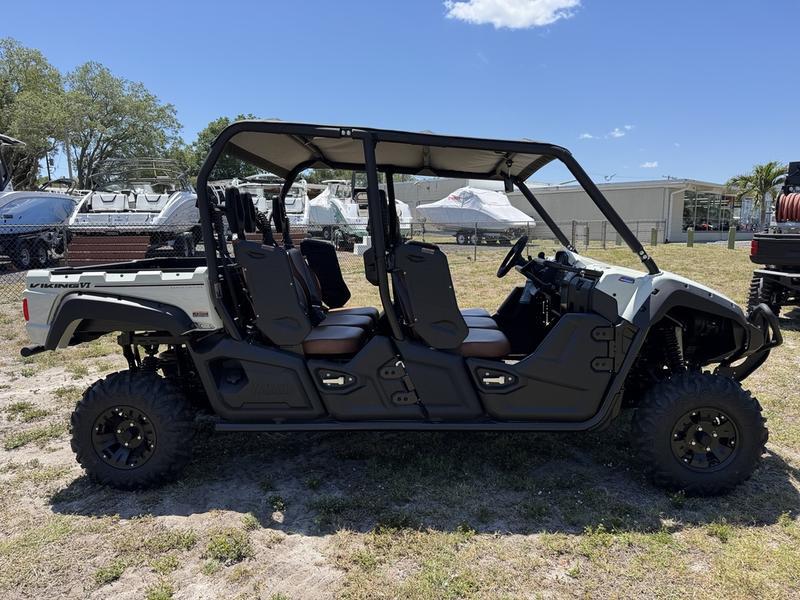
Is Buying a Used Utility Vehicle Worth It?
For many buyers, absolutely.
Benefits include:
- Lower purchase price
- Reduced depreciation
- More accessories included
- Lower insurance costs
- Better value for money
Many well-maintained utility vehicles remain dependable after thousands of hours of operation.
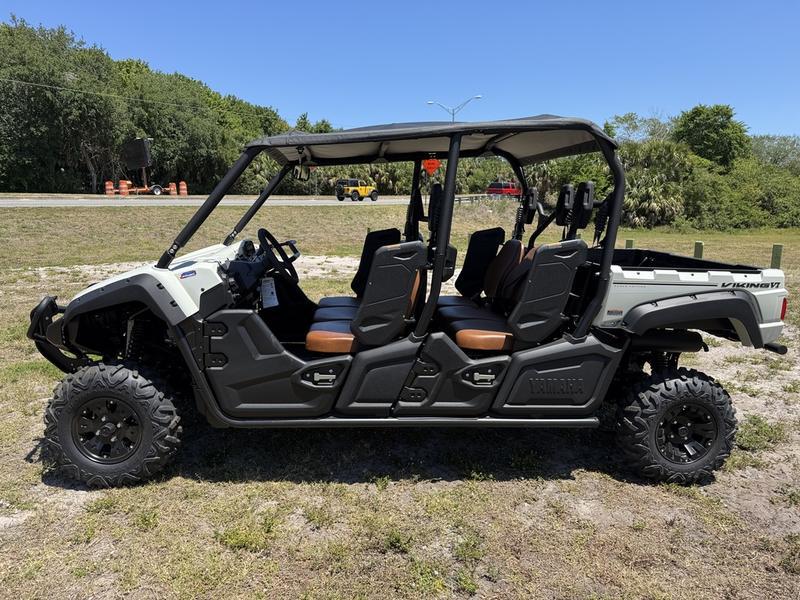
Where Can You Buy a Used Utility Vehicle?
You can find used UTVs from:
- Authorized dealerships
- Equipment dealers
- Farm equipment auctions
- Local classified listings
- Online marketplaces
- Commercial fleet sales
- Dedicated used utility vehicle websites
Always request maintenance records whenever possible.
What Should You Inspect Before Buying?
Never purchase a used utility vehicle without performing a thorough inspection.
Check:
- Engine oil
- Transmission fluid
- Coolant
- Differential fluid
- Battery
- Tires
- Suspension
- CV boots
- Steering
- Frame
- Rust
- Seat condition
- Lights
- Winch
- Four-wheel drive
- Brakes
- Parking brake
- PTO (if equipped)
- Cargo bed
- Cab condition
- Windshield
Take the vehicle for a test drive if possible.
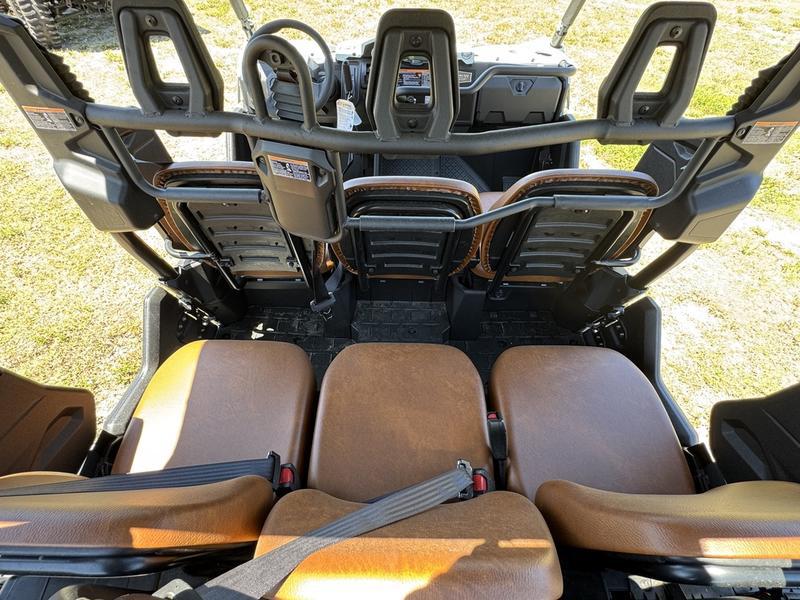
Hidden Costs to Consider
Besides the purchase price, remember to budget for:
- Registration
- Taxes
- Insurance
- Routine maintenance
- New tires
- Battery replacement
- Oil changes
- Belts
- Filters
- Brake service
- Transportation or delivery
Planning for these costs helps avoid surprises.
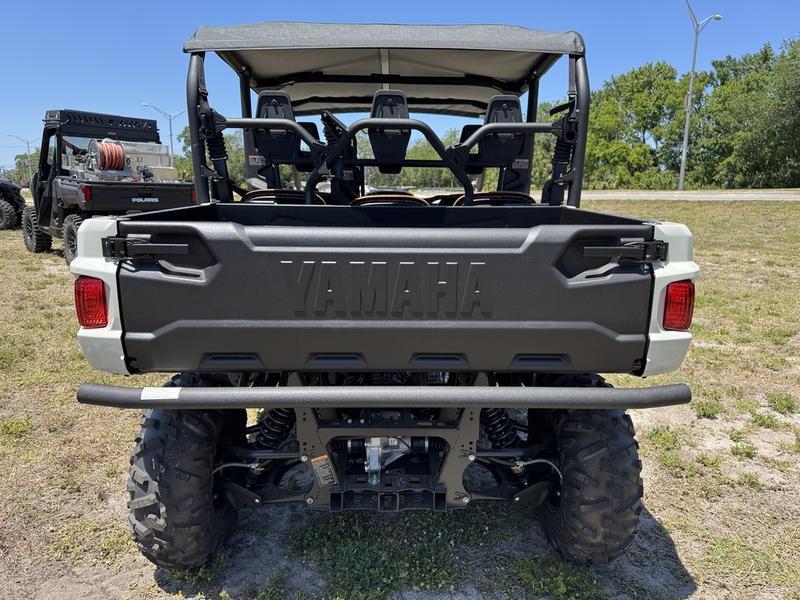
How to Get the Best Deal
Use these strategies to maximize value:
- Compare several listings before buying.
- Research current market prices.
- Verify the vehicle identification number (VIN).
- Ask for maintenance records.
- Inspect the machine in daylight.
- Negotiate based on condition and needed repairs.
- Avoid rushing into a purchase.
- Buy from reputable sellers whenever possible.
Final Thoughts
The cost of a used utility vehicle depends on many factors, but most buyers can expect to spend between $6,000 and $20,000 for a dependable machine in good condition. Premium models with enclosed cabs, low engine hours, and additional accessories may exceed $30,000, while older work-ready units can often be found for less than $5,000.
Rather than focusing solely on the lowest price, consider the vehicle’s overall condition, maintenance history, engine hours, and included features. Spending a little more on a well-maintained utility vehicle can save you thousands in future repairs and provide years of reliable service.
Whether you’re maintaining a farm, managing a construction site, caring for large properties, or enjoying outdoor recreation, choosing the right used utility vehicle can deliver excellent performance and long-term value.
Frequently Asked Questions (FAQs)
How much should I pay for a used utility vehicle?
Most quality used utility vehicles sell for $6,000 to $20,000, depending on the brand, age, condition, engine hours, and accessories.
Is buying a used utility vehicle a good investment?
Yes. A well-maintained used utility vehicle can provide years of reliable service at a significantly lower cost than purchasing a new model.
What is considered low mileage on a used utility vehicle?
For machines measured in engine hours, fewer than 500 hours is generally considered low and often indicates lighter use.
Which utility vehicle brand has the best resale value?
Brands such as Kubota, John Deere, Honda, Polaris, and Yamaha are known for strong resale value due to their durability and reliability.
Should I buy a diesel or gasoline utility vehicle?
Diesel models are ideal for heavy-duty work and long-term durability, while gasoline models are often less expensive and better suited for recreational use.
What should I inspect before buying a used UTV?
Check the engine, transmission, brakes, suspension, steering, tires, frame, electrical system, fluid levels, maintenance records, and overall condition. A test drive is also recommended.
Are accessories worth paying extra for?
Yes. Features like enclosed cabs, heaters, winches, roofs, windshields, and snow plows can add value and reduce future upgrade costs.
Can I finance a used utility vehicle?
Many dealerships and lenders offer financing options for used utility vehicles, depending on the vehicle’s age, value, and your credit profile.
How long does a utility vehicle typically last?
With proper maintenance, many utility vehicles can operate reliably for several thousand engine hours and remain in service for well over 10 years.
Where can I find quality used utility vehicles for sale?
You can shop through dealerships, equipment auctions, local classifieds, online marketplaces, and specialized used utility vehicle websites that provide detailed listings and specifications.