
Buying a utility vehicle (UTV) is a major investment, whether you need it for farming, construction, landscaping, hunting, property maintenance, or recreational work. While paying cash is ideal for some buyers, financing allows you to purchase the right vehicle without tying up your savings.
Today’s financing options make it easier than ever to own a Utility Vehicle Financing Option for Buyer. Banks, credit unions, dealerships, manufacturers, and online lenders all offer financing solutions designed for different budgets and credit situations.
The challenge isn’t finding financing—it’s finding the right financing.
In this guide, we’ll explain every major utility vehicle financing option, compare their advantages and disadvantages, discuss interest rates, credit score requirements, and show you how to save thousands over the life of your loan.
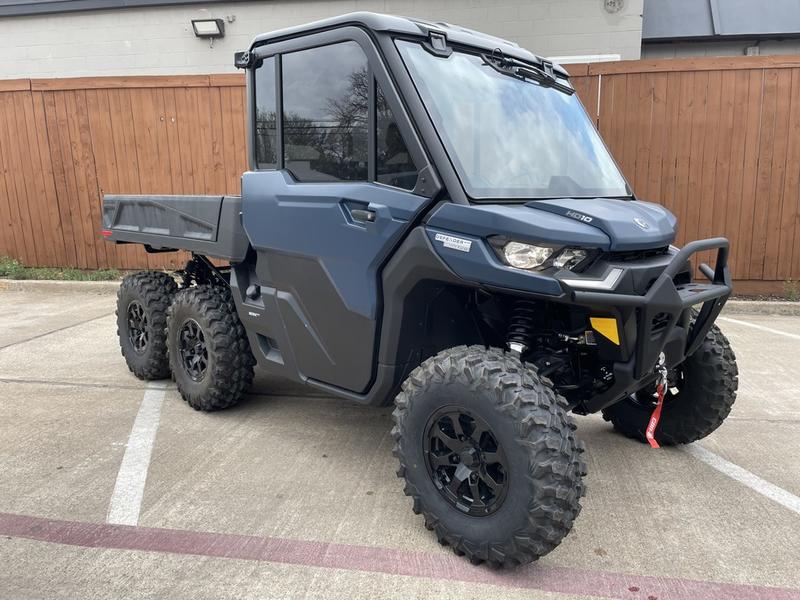
Why Utility Vehicle Financing Option for Buyer?
Financing allows buyers to spread the cost over several years instead of paying everything upfront.
Benefits include:
- Preserve cash flow
- Buy a newer, more reliable vehicle
- Lower monthly payments
- Opportunity to build credit
- Keep emergency savings intact
- Purchase higher-quality equipment
For businesses, financing may also offer tax advantages depending on local regulations and business structure.
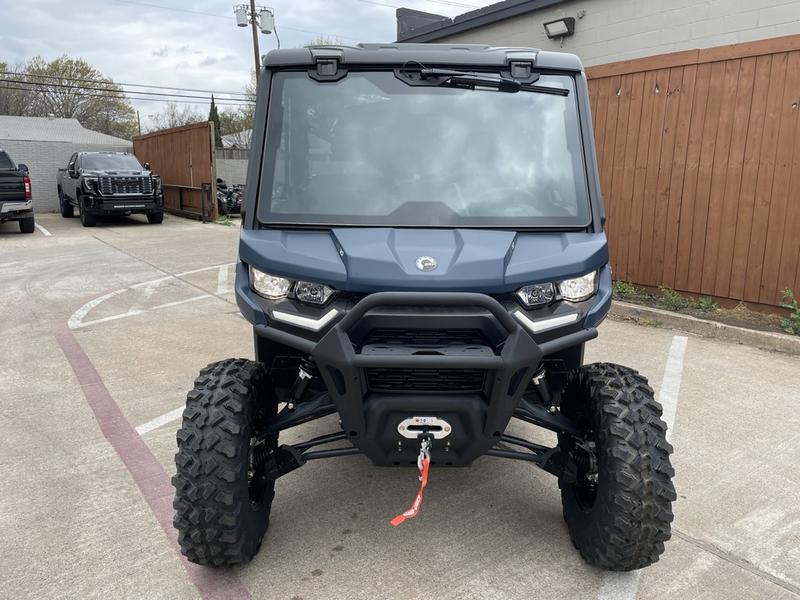
Common Utility Vehicle Financing Options
1. Dealership Financing
One of the most popular financing methods is through the dealership where you purchase the vehicle.
Many dealers work with multiple lending institutions and manufacturers to secure financing on your behalf.
Advantages
- Convenient one-stop shopping
- Promotional interest rates
- Fast approval
- Manufacturer incentives
- Flexible loan terms
Disadvantages
- Rates vary based on credit
- May include dealer fees
- Limited lender options
Dealer financing is ideal for buyers who want a simple purchasing process.
2. Bank Loans
Traditional banks remain one of the safest financing options.
Banks generally offer:
- Fixed interest rates
- Predictable monthly payments
- Flexible repayment terms
- Established customer service
If you already bank with a financial institution, you may qualify for relationship discounts.
Best For
- Buyers with good credit
- Stable income
- Long-term financing
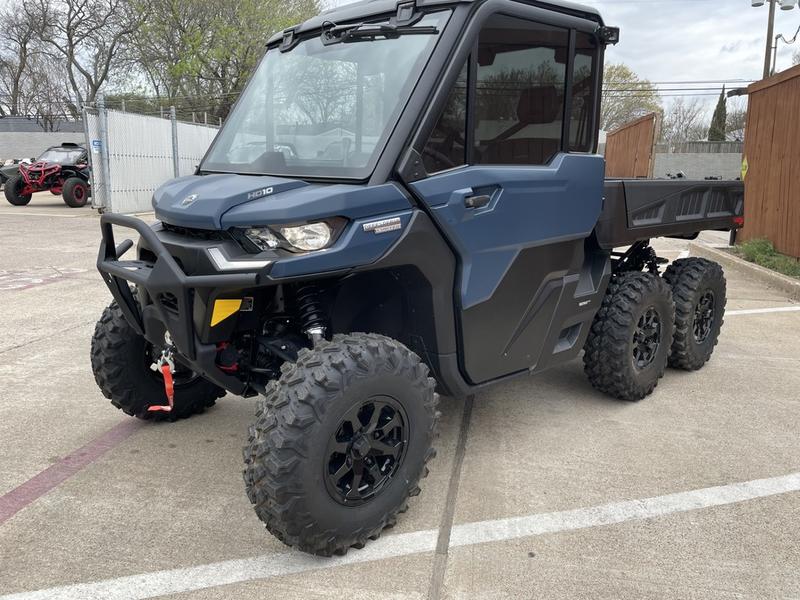
3. Credit Union Financing
Credit unions frequently offer lower interest rates than commercial banks.
Because credit unions are member-owned, they often provide:
- Lower APR
- Reduced fees
- Flexible approval
- Better customer service
Many buyers save hundreds or even thousands over the life of the loan by financing through a credit union.
4. Manufacturer Financing
Many utility vehicle manufacturers partner with finance companies.
Special promotions may include:
- Low APR financing
- Seasonal offers
- Deferred payments
- Extended repayment periods
Manufacturer financing is especially attractive when purchasing new utility vehicles.
5. Online Lenders
Online lending platforms have grown rapidly in recent years.
Benefits include:
- Fast approvals
- Easy comparison shopping
- Digital applications
- Competitive rates
Many buyers receive financing decisions within minutes.
6. Personal Loans
Some buyers choose unsecured personal loans instead of vehicle loans.
Advantages include:
- No collateral requirements
- Fast funding
- Flexible use
However, interest rates are often higher than secured vehicle loans.
7. Equipment Financing
Businesses often finance utility vehicles as equipment.
Equipment financing offers:
- Business-friendly repayment terms
- Potential tax benefits
- Higher borrowing limits
- Easier approval for commercial purchases
Ideal for:
- Farms
- Landscaping companies
- Municipalities
- Construction businesses
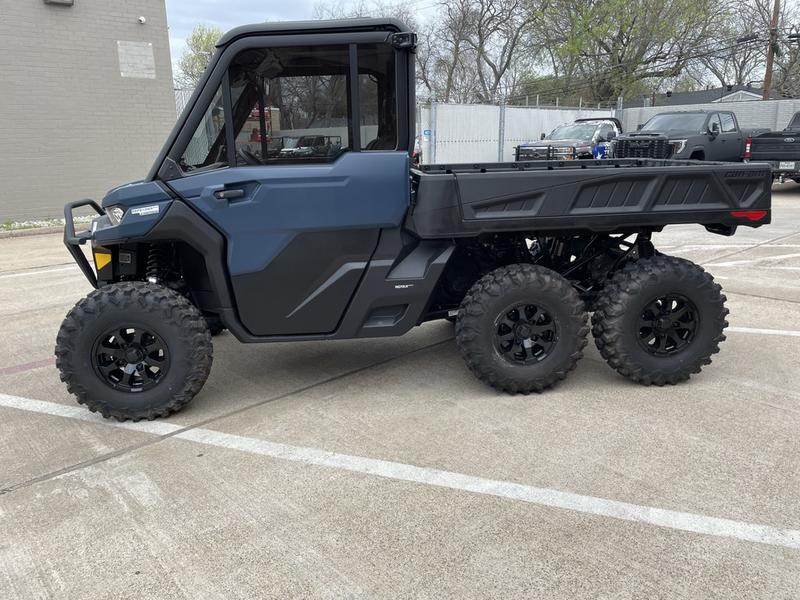
Leasing vs Financing
Some buyers wonder whether leasing is a better option than financing.
Leasing
Pros
- Lower monthly payments
- Drive newer models
- Warranty coverage
Cons
- Mileage restrictions
- Must return vehicle
- No ownership equity
Financing
Pros
- Own the vehicle
- Unlimited use
- No mileage limits
- Can sell anytime
Cons
- Higher monthly payments
- Responsible for maintenance after warranty
For heavy work applications, financing is usually the better long-term investment.
Factors That Affect Loan Approval
Lenders evaluate several financial factors before approving financing.
Credit Score
Higher credit scores generally qualify for:
- Lower interest rates
- Larger loan amounts
- Better repayment terms
Approximate ranges:
- 750+: Excellent
- 700–749: Very Good
- 660–699: Good
- 620–659: Fair
- Below 620: Limited financing options
Income
Lenders want to ensure you can comfortably afford monthly payments.
They typically verify:
- Employment
- Business income
- Tax returns
- Bank statements
Debt-to-Income Ratio
This measures how much of your income already goes toward existing debt.
Lower debt ratios generally improve approval chances.
Down Payment
A larger down payment can:
- Reduce monthly payments
- Lower interest costs
- Improve loan approval
- Increase lender confidence
Many buyers choose to put down 10–20%.
Typical Loan Terms
Common financing periods include:
| Loan Term | Benefits | Considerations |
|---|---|---|
| 24 months | Less interest | Higher payments |
| 36 months | Balanced option | Moderate payments |
| 48 months | Popular choice | Good flexibility |
| 60 months | Lower payments | More interest paid |
| 72 months | Lowest monthly payment | Highest total interest |
Choose the shortest term you can comfortably afford.
New vs Used Utility Vehicle Financing
New Utility Vehicles
Advantages:
- Lower interest rates
- Longer loan terms
- Manufacturer incentives
- Better warranty
Used Utility Vehicles
Advantages:
- Lower purchase price
- Reduced depreciation
- Lower insurance
However, lenders may charge slightly higher interest rates for older vehicles.
How Much Should You Borrow?
Avoid financing more than you need.
Consider:
- Purchase price
- Taxes
- Registration
- Delivery fees
- Accessories
- Insurance
Always calculate the total ownership cost—not just the monthly payment.
Tips to Get Approved Faster
Check Your Credit Report
Correct any errors before applying.
Save for a Down Payment
Even a modest down payment improves approval odds.
Reduce Existing Debt
Pay down credit cards before applying.
Compare Multiple Lenders
Never accept the first financing offer.
Shopping around could save thousands.
Avoid Multiple Major Purchases
Large recent purchases can affect your approval.
Hidden Costs to Consider
When financing a utility vehicle, remember to budget for:
- Insurance
- Maintenance
- Fuel
- Tires
- Repairs
- Registration
- Accessories
- Storage
These costs can significantly affect your monthly budget.
Should You Finance a Used Utility Vehicle Financing Option for Buyer?
Absolutely—provided the vehicle has been properly inspected.
Many buyers finance used utility vehicles because they:
- Cost significantly less
- Depreciate more slowly
- Offer excellent value
- Have proven reliability
Just make sure the vehicle has:
- Maintenance records
- Clean title
- No major accident history
- Good mechanical condition
Mistakes Buyers Should Avoid
Many first-time buyers make costly financing mistakes.
Avoid these common errors:
- Shopping based only on monthly payment
- Ignoring interest rates
- Skipping loan comparisons
- Financing unnecessary accessories
- Not reading the loan agreement
- Borrowing more than your budget allows
- Forgetting insurance costs
Is Pre-Approval Worth It?
Yes.
Getting pre-approved before shopping gives you several advantages:
- Know your budget
- Stronger negotiating power
- Faster purchasing process
- Better interest rate comparisons
- Less pressure from dealership financing
Final Thoughts
Utility Vehicle Financing Option for Buyer doesn’t have to be complicated. By understanding your options, comparing lenders, and choosing a loan that fits your budget, you can confidently purchase the right vehicle without unnecessary financial stress.
Whether you’re buying a new work UTV for your business or a dependable used model for your property, taking the time to compare financing offers can save you a substantial amount over the life of the loan. Focus on more than just the monthly payment consider the total loan cost, interest rate, repayment term, and any additional fees.
With the right financing plan, you’ll be better positioned to enjoy the benefits of your utility vehicle while keeping your finances on track.
Frequently Asked Questions (FAQs)
1. What credit score do I need to finance a utility vehicle?
Most lenders prefer a credit score of 620 or higher, although buyers with excellent credit typically qualify for lower interest rates and better loan terms.
2. Can I finance a used utility vehicle?
Yes. Many banks, credit unions, dealerships, and online lenders offer financing for used utility vehicles, though rates may be slightly higher than for new models.
3. Is dealership financing a good option?
Dealership financing is convenient and may include promotional offers, but it’s always wise to compare rates with banks and credit unions before making a decision.
4. How much should I put down on a utility vehicle?
A down payment of 10% to 20% is common and can help reduce your monthly payment and total interest costs.
5. Can I finance a utility vehicle for business use?
Yes. Many lenders provide equipment financing specifically for businesses, farms, contractors, and municipalities purchasing utility vehicles for commercial purposes.
6. What loan term is best for financing a utility vehicle?
Shorter loan terms usually cost less in interest, while longer terms reduce monthly payments. Choose the shortest term that comfortably fits your budget.
7. Does pre-approval help when buying a utility vehicle?
Yes. Pre-approval gives you a clear budget, improves your negotiating position, and allows you to compare financing offers before visiting a dealership.
8. Can I pay off my utility vehicle loan early?
Many lenders allow early repayment, but some loans include prepayment penalties. Always review the loan agreement before signing.
9. What documents are needed to apply for financing?
Most lenders require proof of identity, proof of income, employment information, and details about the utility vehicle you plan to purchase.
10. Can buyers with bad credit get utility vehicle financing?
Yes. Some lenders specialize in financing buyers with lower credit scores, though they may require a larger down payment or charge a higher interest rate. Improving your credit before applying can help you qualify for better terms.