Yamaha Viking Financing Options .Let’s be honest: a Yamaha Viking is one of those machines that sells itself the second you sit in it. Three-across seating, a smooth Ultramatic transmission, and the kind of go-anywhere confidence that makes a ranch chore feel like a weekend adventure. The hard part usually isn’t deciding you want one. It’s figuring out how to pay for it.
That’s where understanding your Yamaha Viking financing options pays off. Whether you’re eyeing a brand-new model or hunting for a used Yamaha Viking for sale, the way you finance it can save (or cost) you thousands over the life of the loan. In this guide, we’ll walk through every realistic way to pay, what lenders actually look at, and how to shop smart so you drive away with a deal you’re happy with a year from now.
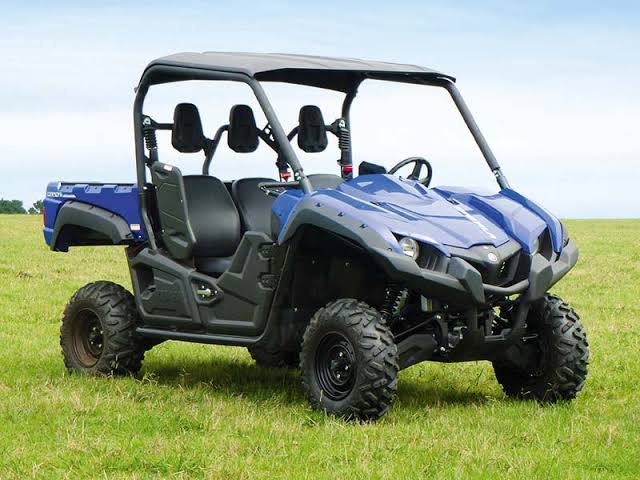
Table of Contents
- Quick Answer: What Are the Best Yamaha Viking Financing Options?
- Why Yamaha Viking Financing Is Worth Understanding
- The Main Yamaha Viking Financing Options
- New vs. Used: How Financing Changes
- What Lenders Look at Before Approving Your UTV Loan
- How to Estimate Your Monthly Payment
- Tips to Get the Best Financing Deal
- Mistakes to Avoid When Financing a Side-by-Side
- Where to Find a Quality Used Yamaha Viking
- Frequently Asked Questions
- Final Thoughts and Next Steps
Quick Answer: What Are the Best Yamaha Viking Financing Options?
AI Overview – Q&A
Q: What are the best financing options for a Yamaha Viking?
A: The most common ways to finance a Yamaha Viking are a credit union or bank powersports loan, dealer or manufacturer financing, an online lender, a personal loan, a home equity loan or line of credit, and paying cash. Credit unions often offer competitive rates on used units, dealers can be convenient, and cash avoids interest entirely. The best choice depends on your credit score, down payment, loan term and whether you’re buying new or used.
Q: Can I finance a used Yamaha Viking?
A: Yes. Many lenders finance used side-by-sides, though terms may be shorter and rates slightly higher than for new machines. Age, condition, and mileage or hours can all influence approval.
Q: How much down payment do I need?
A: It varies by lender and credit profile, but putting down roughly 10% to 20% generally improves your chances of approval and lowers your monthly payment.
Why Yamaha Viking Financing Is Worth Understanding
A side-by-side isn’t a small purchase. Depending on the year, trim and condition, a Viking can run from the price of a decent used car down payment up to a serious investment. Most buyers don’t write a single check for that, and there’s nothing wrong with that. Smart financing lets you buy the right machine now instead of settling for a cheaper one that doesn’t fit your needs.
But “smart” is the key word. A loan with a high rate, a stretched-out term and a pile of add-ons can quietly turn a fair price into an expensive one. A little homework up front puts you in control.
What Makes the Viking Worth Financing?
The Viking is built for people who actually use their machines. It’s popular with ranchers, hunters, landowners and trail riders because it offers:
- Three-person seating so the whole crew can ride together
- A comfortable, utility-focused cab that handles long workdays
- Strong towing and hauling capability for a machine in its class
- Proven Yamaha reliability that tends to hold resale value well
That last point matters for financing. Machines that hold their value are easier to borrow against, and they’re easier to sell or trade later if your needs change.
The Main Yamaha Viking Financing Options
There’s no single “right” way to pay for a Viking. Here are the paths most buyers take, along with honest pros and cons for each.
1. Credit Union Powersports Loans
Credit unions are often the first stop for savvy buyers, and for good reason. Because they’re member-owned, they frequently offer lower rates and friendlier terms than big banks.
Pros:
- Often competitive interest rates
- More flexibility for members with fair or building credit
- Usually fewer surprise fees
Cons:
- You typically need to become a member first
- Some credit unions have limits on the age of the vehicle they’ll finance
If you’re shopping for a used Viking, call your local credit union and ask specifically about powersports or recreational vehicle loans. Not every branch advertises them.
2. Bank Loans
Traditional banks can also finance UTVs, especially if you already have checking, savings or a mortgage with them. Existing customers sometimes qualify for relationship discounts.
Pros:
- Convenient if you already bank there
- Possible loyalty or autopay rate reductions
Cons:
- Approval standards can be stricter
- Rates may be higher than a credit union’s
3. Dealer and Manufacturer Financing
Many sellers can arrange financing right at the point of sale. This is convenient because you handle the purchase and the loan in one place, and sometimes there are promotional rates on new machines.
Pros:
- One-stop shopping
- Fast approvals in many cases
- Occasional promotional offers on new units
Cons:
- Promotional rates usually apply to new, not used, models
- It’s easy to roll in extras you didn’t plan on
A good habit: always ask for the full “out-the-door” price and the annual percentage rate (APR) in writing before you agree to anything.
4. Online Lenders
Online lenders have made it easier than ever to compare offers in minutes. Many let you check your potential rate with a soft credit inquiry, which doesn’t affect your score.
Pros:
- Quick applications and decisions
- Easy to compare multiple offers
Cons:
- Quality varies, so read reviews and terms carefully
- Some charge origination fees
5. Personal Loans
An unsecured personal loan isn’t tied to the vehicle itself. That can be handy when you’re buying from a private seller or when the Viking is older and some lenders won’t finance it directly.
Pros:
- Flexible use of funds
- No lien on the machine in most cases
Cons:
- Rates are often higher than a secured powersports loan
- Shorter terms mean higher monthly payments
6. Home Equity Loan or HELOC
If you own your home and have built equity, borrowing against it can offer a low interest rate. It’s also a big decision, since your home becomes the collateral.
Pros:
- Often the lowest rates available
- Potentially flexible repayment
Cons:
- Your home is at risk if you can’t repay
- Closing costs and fees may apply
For a recreational purchase, many people feel that risk simply isn’t worth it. Think carefully before going this route, and consider talking with a licensed financial professional.
7. Saving Up and Paying Cash
There’s a reason this one never goes out of style: no interest, no monthly payment, no lender. If you can buy a used Viking outright without draining your emergency fund, you’ll own it free and clear from day one.
Pros:
- Zero interest
- Stronger negotiating position with sellers
Cons:
- Ties up a large chunk of cash
- You may wait longer to get the machine
8. A Hybrid Approach
Plenty of buyers split the difference: a healthy down payment in cash and a short loan for the rest. This keeps interest costs low while preserving some savings for gear, insurance and maintenance.
New vs. Used: How Financing Changes
One of the biggest decisions is whether to buy new or used, and it directly affects how you’ll finance.
Financing a New Yamaha Viking
New machines tend to qualify for the widest range of loan options and, occasionally, manufacturer promotions. Lenders see them as lower risk. The tradeoff is steeper depreciation in the first couple of years and a higher purchase price overall.
Financing a Used Yamaha Viking
A used Viking often delivers the best value. You skip the biggest chunk of depreciation and borrow less money in the first place. A smaller loan generally means a smaller payment and less total interest, even if the rate is a bit higher.
That’s why so many buyers browse the used Yamaha Viking UTVs for sale before touching a new-machine showroom. When you can find a clean, well-maintained unit at a fair price, the math usually works in your favor.
Things Lenders May Consider on Used Units
- The model year and overall age of the machine
- Condition and maintenance history
- Hours and mileage
- Whether the seller is a business or a private party
How to Protect Yourself on a Used Purchase
- Request service records if available
- Inspect the machine in person or arrange a third-party inspection
- Check the title status and confirm there are no liens
- Compare the asking price with similar listings
What Lenders Look at Before Approving Your UTV Loan
When you apply to finance a Viking, lenders are really asking one question: how likely are you to repay? They answer it by reviewing a handful of factors.
Your Credit Score
This is usually the biggest lever. Higher scores typically unlock lower rates. If your score is on the lower side, don’t panic. Credit unions and some specialty lenders work with a wide range of profiles, but expect to pay more in interest.
Your Income and Employment
Lenders want to see steady income that comfortably covers the payment. Pay stubs, tax returns or bank statements may be requested, especially for self-employed buyers.
Your Debt-to-Income Ratio
This compares your monthly debt payments to your monthly income. A lower ratio signals that you have room in your budget for a new payment.
Your Down Payment
The more you put down, the less the lender risks, and the less you borrow. Even a modest down payment can improve your terms.
The Loan Term
Longer terms mean lower monthly payments but more interest over time. Shorter terms cost less overall but demand more from your monthly budget.
How to Estimate Your Monthly Payment
Before you start shopping, run the numbers. A simple way to think about it is that your payment depends on three things: the amount you borrow, your interest rate and the length of the loan.
Here’s a purely illustrative example (not a quote) to show how the term changes things:
| Loan Amount | Example APR | Term | Payment Trend |
|---|---|---|---|
| $12,000 | 8% | 36 months | Higher payment, least total interest |
| $12,000 | 8% | 48 months | Balanced payment and interest |
| $12,000 | 8% | 60 months | Lowest payment, most total interest |
The pattern is the point: stretching the term lowers the monthly bill but raises the total cost. Use any online loan calculator to plug in your own numbers, and always include sales tax, title and registration fees in your estimate.
Don’t Forget the Hidden Costs of Ownership
The sticker price and the loan payment aren’t the whole story. Budget for:
- Insurance for your side-by-side
- Registration and taxes based on where you live
- Maintenance such as oil, filters and tires
- Accessories like a winch, roof, windshield or storage
- Storage and transport, including a trailer if needed
Building these into your monthly budget means no unpleasant surprises after the purchase.
Tips to Get the Best Financing Deal
Ready to put all of this into practice? These habits consistently lead to better deals.
Get Pre-Approved First
Walking in with a pre-approval from your credit union or bank gives you a rate to compare against any dealer offer. It also tells you your real budget before you fall in love with a specific machine.
Compare at Least Three Offers
Rates and fees can differ more than you’d expect. Gathering three quotes, ideally within a short window so credit inquiries are treated as a single shopping event, helps you spot the best value.
Check Your Credit Report Early
Pull your credit reports well before applying and fix any errors. Even small improvements can nudge your rate down.
Save a Solid Down Payment
Aim for as much as you comfortably can. A bigger down payment protects you from owing more than the machine is worth if you ever need to sell.
Choose the Shortest Term You Can Afford
It’s tempting to pick the lowest payment. Instead, choose the shortest term that still fits your budget with breathing room.
Ask About Prepayment Penalties
You want the freedom to pay extra or pay the loan off early without being charged for it. Always confirm before signing.
Negotiate the Price, Not Just the Payment
A low monthly payment can hide a high price. Negotiate the total purchase price first, then talk financing.
Mistakes to Avoid When Financing a Side-by-Side
A few common missteps can turn a great purchase into a headache.
Focusing Only on the Monthly Payment
A tiny payment stretched across a very long term can cost far more in interest. Look at the total cost, not just the monthly figure.
Rolling in Unnecessary Add-Ons
Extended warranties, protection plans and accessories can be useful, but only if they genuinely fit your needs. Review each one separately instead of letting them get bundled into the loan by default.
Skipping the Fine Print
Read the APR, fees, late-payment terms and any prepayment rules. If something isn’t clear, ask for it in writing.
Applying Everywhere at Once
Too many hard credit pulls spread across a long period can ding your score. Pre-qualify with soft checks where possible, then apply only to your top choices.
Buying More Machine Than You Need
It’s easy to get caught up in features. Be realistic about how you’ll actually use the Viking, then choose the trim and condition that match.
Where to Find a Quality Used Yamaha Viking
Financing is only half the equation. The other half is finding the right machine at the right price. A reliable seller with transparent listings makes the whole process smoother, and it can make lenders more comfortable too, since clear documentation helps with approval.
If you’re ready to start looking, check out the current selection of Yamaha Viking UTV for sale at Used Utility Vehicles. You’ll find a range of options so you can match your budget, your use case and your preferred financing approach.
Not completely sold on the Viking yet, or want to see what else is out there? You can browse the full shop of used utility vehicles to compare side-by-sides, UTVs and other options before you commit. Comparing a few machines side by side is one of the best ways to make sure you’re getting real value.
A Simple Game Plan
Here’s a straightforward path from “just looking” to “keys in hand”:
- Set your budget, including insurance, taxes and gear
- Check your credit and clean up any errors
- Get pre-approved by a credit union or bank
- Browse listings and shortlist two or three Vikings
- Inspect and verify condition, records and title
- Negotiate the price, then finalize your financing
- Read everything before you sign
Frequently Asked Questions
What credit score do I need to finance a Yamaha Viking?
There’s no universal cutoff, since requirements vary by lender. Generally, higher credit scores qualify for better rates, while lower scores may still be approved with a larger down payment or a higher interest rate. Checking with a credit union and a couple of other lenders is the best way to see where you stand.
Can I get a loan for a used Yamaha Viking from a private seller?
Often yes, though the process can differ. Some lenders will finance private-party purchases of powersports vehicles, while others prefer dealer sales. A personal loan is another option if a secured loan isn’t available.
Is it better to finance through a dealer or a credit union?
Neither is automatically better. Dealers are convenient and sometimes have promotions on new units, while credit unions frequently offer lower rates on used machines. Get quotes from both and compare the APR and total cost.
How long can I finance a side-by-side?
Terms commonly range from a few years up to several years, depending on the lender, the loan amount and the age of the machine. Shorter terms usually save money on interest.
Do I need a down payment to finance a Viking?
Some lenders offer low or no-down options, but a down payment generally improves your approval odds and your rate. Putting down a meaningful amount also lowers your risk of owing more than the machine is worth.
Does financing a UTV affect my credit score?
Applying can cause a small, temporary dip because of the hard inquiry. Making on-time payments over the life of the loan can help build your credit history. Missing payments can hurt it.
Can I pay off my Viking loan early?
In many cases, yes, but some loans include prepayment penalties. Ask about this before you sign so you can pay extra or settle the balance without extra charges.
Should I buy extended coverage when I finance?
It depends on the machine, its age and your comfort with repair costs. Evaluate any protection plan on its own merits, compare the price and what it covers, and decide whether you want it separate from the loan.
What else should I budget for besides the payment?
Plan for insurance, registration, taxes, maintenance, fuel, accessories and storage or transport. These ongoing costs can add up, so include them in your monthly budget.
Is a used Yamaha Viking a good value?
For many buyers, yes. Yamaha machines have a reputation for durability, and buying used lets you avoid the steepest depreciation. A well-maintained unit with documented service history is often a smart purchase.
Final Thoughts and Next Steps
Financing a Yamaha Viking doesn’t have to be stressful. When you know your options, understand what lenders want and compare offers before you commit, you put yourself in the driver’s seat long before you ever turn a key.
The recipe is simple: know your budget, get pre-approved, favor the shortest term you can comfortably handle, and negotiate the price before the payment. Do that, and you’ll end up with a machine you love and a loan that doesn’t keep you up at night.
Ready to find your next ride? Start by exploring our selection of used Yamaha Viking UTVs for sale, or take a look around the Used Utility Vehicles shop to see everything available right now. Have questions about a specific machine? Reach out to the team and take the first step toward your next adventure.