
What to Check Before Buying a Used Utility Vehicle can save you thousands of dollars while giving you the performance you need for farming, construction, landscaping, hunting, ranch work, or recreational property management. However, not every used utility vehicle is a good investment. A machine that looks great on the outside could hide expensive mechanical problems that cost more than the initial savings.
Whether you’re looking for a John Deere Gator, Kubota RTV, Polaris Ranger, Can-Am Defender, Kawasaki Mule, Yamaha Wolverine, Club Car Carryall, or another work UTV, knowing what to inspect before purchasing can help you avoid costly mistakes.
What to Check Before Buying a Used Utility Vehicle whether you’re after a side-by-side for farm work, a rugged UTV for hunting, or an ATV for trail ridingcan save you a serious chunk of change compared to new. But let’s be real: these machines are built for hard work, and they often get treated that way. A quick wash and some fresh plastic can hide a world of trouble from a previous owner’s adventures.
That’s why you need to go into the deal with your eyes wide open and a solid game plan. This guide will walk you through everything you need to check before handing over your cash, from paperwork to the test drive.In this guide, we’ll walk you through everything you what to Check Before Buying a Used Utility Vehicle so you can purchase with confidence.Avoid Costly Nightmares and Find Hidden Gems: The Essential Pre-Purchase Checklist for What to Check Before Buying a Used Utility Vehicle
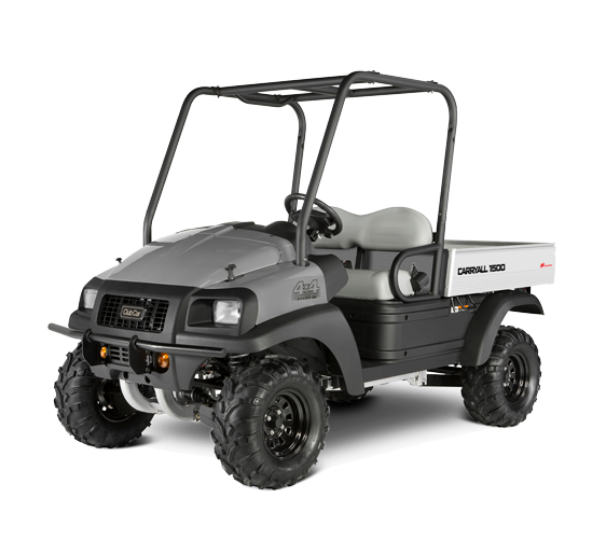
What to Check Before Buying a Used Utility Vehicle
Many buyers choose used utility vehicles because they offer excellent value compared to purchasing new.
Some of the biggest benefits include:
- Lower purchase price
- Reduced depreciation
- More equipment for your budget
- Availability of discontinued but reliable models
- Lower insurance costs in many cases
If properly maintained, many utility vehicles can provide years of dependable service.

1. Check the Overall Condition
Start with a complete visual inspection.
Walk around the vehicle and look carefully for signs of:
- Rust
- Cracked plastics
- Bent frame components
- Damaged cargo bed
- Missing bolts
- Oil leaks
- Fluid stains
- Poor repairs
- Uneven body panels
Minor cosmetic scratches are normal, especially on work vehicles. However, structural damage may indicate the vehicle has been involved in an accident or overloaded regularly.
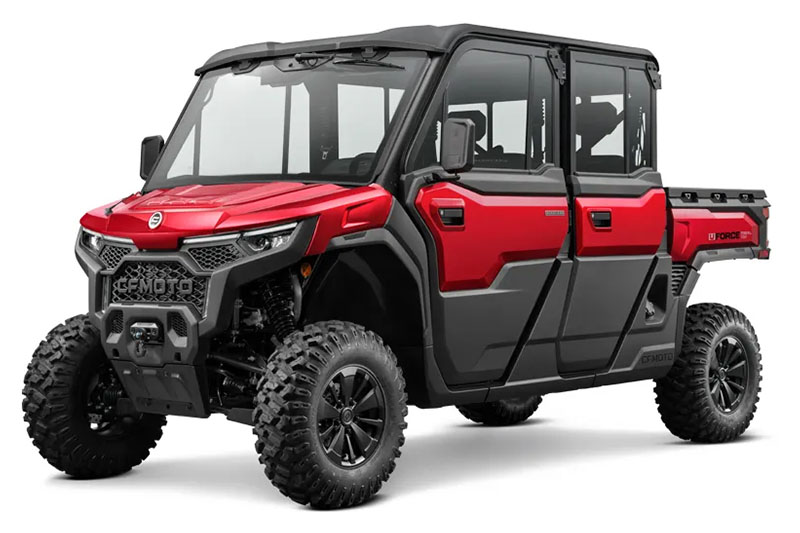
2. Inspect the Engine
The engine is one of the most expensive components to repair.
Before starting it:
- Check engine oil level
- Inspect oil color
- Look for coolant leaks
- Check belts
- Inspect hoses
- Look around the engine block for oil seepage
After starting:
- Listen for knocking sounds
- Listen for ticking
- Watch for excessive vibration
- Check for smoke from the exhaust
Blue smoke often indicates oil burning.
White smoke could suggest coolant problems.
Black smoke may indicate fuel system issues.
A healthy engine should idle smoothly without unusual noises.
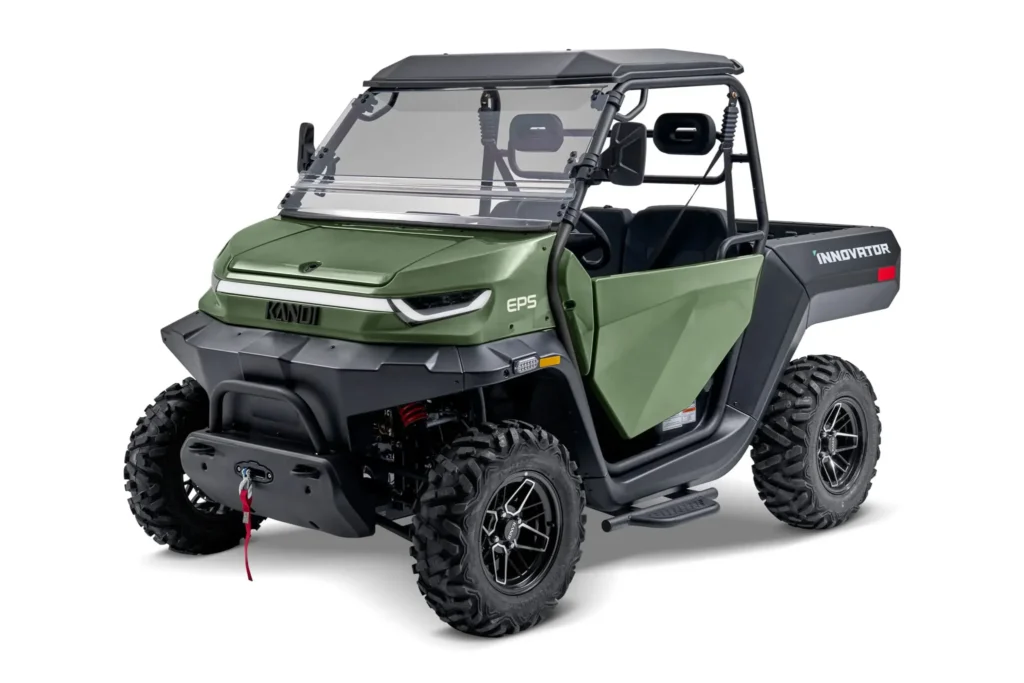
3. Examine the Transmission
Most utility vehicles use:
- CVT transmissions
- Automatic transmissions
- Hydrostatic transmissions
During a test drive:
- Acceleration should feel smooth.
- No slipping should occur.
- No jerking during takeoff.
- Reverse should engage quickly.
- High and low range should shift properly.
Transmission repairs can be expensive, making this inspection especially important.
4. Test the Four-Wheel Drive System
Many buyers specifically purchase utility vehicles for their off-road capability.
Test:
- 2WD mode
- 4WD mode
- Differential lock
- Low range
Drive on loose terrain if possible.
The four-wheel-drive system should engage without grinding or hesitation.
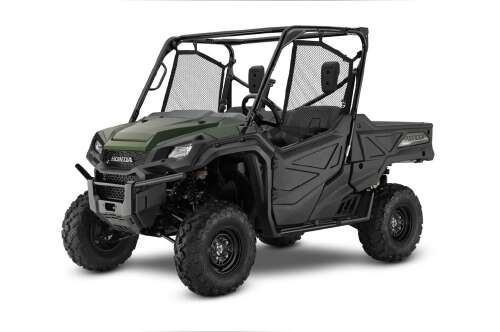
5. Check Suspension Components
Utility vehicles often operate on rough terrain.
Inspect:
- Shocks
- Springs
- A-arms
- Bushings
- Ball joints
- Tie rods
Look for:
- Bent suspension parts
- Oil leaking from shocks
- Excessive play
- Broken bushings
Worn suspension affects handling and tire wear.
6. Inspect the Tires
Replacement tires can cost several hundred dollars.
Check:
- Tread depth
- Uneven wear
- Sidewall cracks
- Dry rot
- Puncture repairs
Uneven tire wear may indicate:
- Poor alignment
- Bent suspension
- Worn steering components
7. Test the Brakes
A utility vehicle must stop safely under load.
Inspect:
- Brake pads
- Brake discs
- Brake fluid
- Brake lines
During the test drive:
- Vehicle should stop straight.
- No grinding noises.
- Brake pedal should feel firm.
- Parking brake should hold securely.
8. Inspect the Steering
Loose steering can indicate worn components.
Check for:
- Steering wheel play
- Hard steering
- Noises while turning
- Leaking power steering components (if equipped)
Drive over uneven ground to identify suspension or steering issues.
9. Look at the Cargo Bed
Many utility vehicles spend their lives hauling heavy loads.
Inspect for:
- Bent bed floor
- Rust
- Broken tailgate
- Hydraulic dump mechanism operation
- Weld repairs
Heavy abuse often shows up here first.
10. Verify Engine Hours and Mileage
Unlike passenger vehicles, utility vehicles often track:
- Engine hours
- Mileage
Compare both numbers.
A machine with:
- Low miles
- Extremely high engine hours
may have spent years idling, which still causes wear.
Conversely:
- Moderate mileage
- Reasonable engine hours
usually indicates more balanced use.
11. Inspect the Battery and Electrical System
Test:
- Headlights
- Brake lights
- Turn signals
- Horn
- Winch
- Power outlets
- Dashboard display
Check battery terminals for corrosion.
Electrical problems can be time-consuming to diagnose.
12. Check the Cooling System
Inspect:
- Radiator
- Coolant reservoir
- Hoses
- Cooling fan
Watch engine temperature during the test drive.
Overheating can signal expensive repairs.
13. Look Under the Vehicle
One of the best inspections happens underneath.
Look for:
- Oil leaks
- Damaged skid plates
- Frame rust
- Broken axle boots
- Leaking differentials
- Transmission leaks
Off-road vehicles often hide damage underneath.
14. Inspect the Drive Belt (CVT Models)
Many UTVs use CVT belt drives.
Ask:
- Has the belt been replaced?
- When was it serviced?
Listen for:
- Belt squeal
- Slipping
- Delayed engagement
A worn belt is inexpensive compared to a damaged clutch.
15. Review Service Records
Maintenance history tells you how well the vehicle was cared for.
Ask for records showing:
- Oil changes
- Air filter replacement
- Belt replacement
- Brake service
- Differential fluid changes
- Coolant replacement
Complete maintenance records usually indicate responsible ownership.
16. Verify the VIN
Always verify the Vehicle Identification Number (VIN).
Check that:
- VIN matches the title.
- VIN plate has not been tampered with.
- Seller legally owns the vehicle.
Never purchase a vehicle with missing paperwork.
17. Ask Important Questions
Before buying, ask the seller:
- Why are you selling it?
- Has it ever been in an accident?
- Has the engine been rebuilt?
- Was it used commercially?
- Has it been submerged in water?
- Has it towed heavy loads regularly?
Honest answers provide valuable insight.
18. Take a Proper Test Drive
Never buy without driving it.
During the test drive:
- Accelerate hard.
- Brake firmly.
- Turn sharply.
- Engage four-wheel drive.
- Reverse.
- Drive over bumps.
- Listen carefully.
Pay attention to vibrations, unusual noises, or warning lights.
19. Inspect Accessories
Many used utility vehicles include valuable accessories.
Examples include:
- Hard cab
- Roof
- Windshield
- Doors
- Winch
- Snow plow
- LED lights
- Heater
- Cargo boxes
- Lift kit
Ensure all accessories function correctly before assigning value to them.
20. Compare the Asking Price
Before making an offer, compare similar models online.
Factors affecting value include:
- Year
- Brand
- Engine size
- Hours
- Mileage
- Condition
- Accessories
- Service history
- Local demand
Don’t rush into the first deal you find.
Red Flags to Avoid
Walk away if you notice:
- Heavy engine smoke
- Loud knocking noises
- Transmission slipping
- Frame cracks
- Flood damage
- Missing VIN
- No title
- Major rust
- Seller refusing inspection
- Warning lights that remain on
These issues can quickly turn a bargain into an expensive repair project.
Popular Used Utility Vehicle Brands
Reliable manufacturers include:
- John Deere
- Kubota
- Polaris
- Can-Am
- Kawasaki
- Yamaha
- Club Car
- Bobcat
- CFMOTO
- Honda
These brands have established reputations for durability and strong parts availability.
Final Thoughts
What to Check Before Buying a Used Utility Vehicle is an excellent way to save money while getting dependable equipment for work or recreation. The key is taking the time to inspect every major component before making a purchase. A careful inspection of the engine, transmission, suspension, tires, brakes, electrical system, and maintenance history can help you avoid unexpected repair costs and ensure you choose a machine that delivers years of reliable service.
Whether you’re buying your first UTV or adding another vehicle to your fleet, patience and thorough research will always pay off. Compare multiple listings, ask detailed questions, verify ownership documents, and never skip the test drive. By following the checklist in this guide, you’ll be in a much stronger position to negotiate a fair price and drive away with a dependable used utility vehicle that fits your needs and budget.What to Check Before What to Check Before Buying a Used Utility Vehicle
What to Check Before Buying a Used Utility Vehicle can be a fantastic way to get a capable machine for a great price. By following this guide and being a thorough, skeptical buyer, you can avoid buying someone else’s headache and find a reliable workhorse that will serve you for years to come.
Frequently Asked Questions
How many hours is too many on a used utility vehicle?
It depends on maintenance, but many well-maintained utility vehicles can exceed 5,000 engine hours. Service history is often more important than the hour meter alone.
Should I buy a used utility vehicle without service records?
You can, but you’ll want to inspect it more carefully or have it evaluated by a qualified mechanic before purchasing.
Is mileage or engine hours more important?
Both matter. Engine hours often provide a better picture of wear because utility vehicles may spend long periods idling while working.
Can I finance a used utility vehicle?
Yes. Many dealerships and lenders offer financing for eligible used utility vehicles, depending on the vehicle’s age, condition, and value.